Archiving Documentation for One of Poland’s Major Electric Power Distribution Enterprises

Archiving Documentation for One of Poland’s Major Electric Power Distribution Enterprises

Case studies

Archiving Documentation for One of Poland’s Major Electric Power Distribution Enterprises

Client

Industry

Energy & Utilities

Region

Krakow – Poland / Europe

Technology

WebPROD

Overview

Client: TAURON Dystrybucja S.A. Oddział w Krakowie

GISonLine supported its long-term business partner, TMCE company, in a project focused on organizing, completing, and registering technical documentation related to the electrical power distribution infrastructure managed by the TAURON Dystrybucja Krakow Office (Podgórze and Nowa Huta departments).

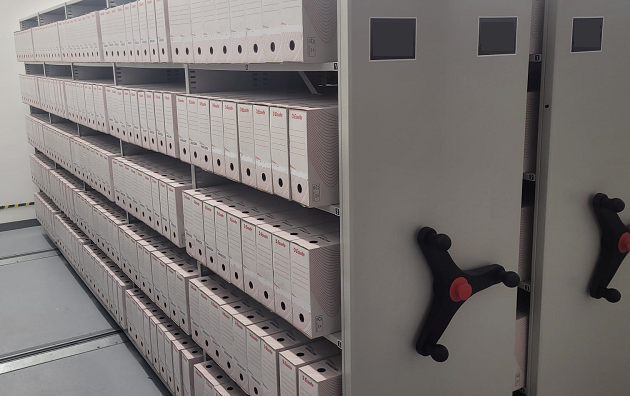
The scope of the project demanded the highest levels of accuracy and diligence. It involved both the physical organization of documents—verifying completeness, adding required numbering, thematic and chronological sorting, and securing damaged materials—as well as the digital registration of the documents in the Client’s internal application, WebPROD.
Given the significant volume and diversity of documentation to be archived (over 262 linear meters handled by GISonLine), the Client expected

GISonLine supported its long-term business partner, TMCE company, in a project focused on organizing, completing, and registering technical documentation related to the electrical power distribution infrastructure managed by the TAURON Dystrybucja Krakow Office (Podgórze and Nowa Huta departments).

The scope of the project demanded the highest levels of accuracy and diligence. It involved both the physical organization of documents—verifying completeness, adding required numbering, thematic and chronological sorting, and securing damaged materials—as well as the digital registration of the documents in the Client’s internal application, WebPROD.

Given the significant volume and diversity of documentation to be archived (over 262 linear meters handled by GISonLine), the Client expected exceptional organizational skills and high operational efficiency.

Additionally, our company was responsible for the safe delivery of the documentation to the designated archive.

The project was carried out entirely on-site at the Client’s premises, where a dedicated GISonLine team worked continuously for the full duration of the project, approximately six months.

Additionally, our company was responsible for the safe delivery of the documentation to the designated archive.
The project was carried out entirely on-site at the Client’s premises, where a dedicated GISonLine team worked continuously for the full duration of the project, approximately six months.

Outcome & Impact

The archived resource encompassed the full spectrum of documentation related to power supply facilities – from acceptance protocols, construction permits, and design documentation (both construction and as-built), to connection/reconstruction conditions, as well as a wide range of approvals and certificates. Thanks to our extensive experience of working with such materials – including large-scale projects involving the network inventory of power infrastructure – and our long-standing cooperation with several branches of TAURON Dystrybucja S.A., we were able to successfully meet this challenge.

See some things

we’ve worked on

Electronic Map of the Railway Traction Network

Electronic Map of the Railway Traction Network

Case studies

Electronic Map of the Railway Traction Network

Client

Industry

Energy & Utilities

Region

Polska / Europa

Technology

ESRI ArcGIS Maps SDK for JS, C# .Net, C# .Net Framework React, Angular, Xamarin, Microsoft SQL

Overview

Client: PKP Energetyka / PGE Energetyka Kolejowa

Following the project of network inventory of the whole 20,000 km-long asset network of the Polish national railway power distributor (PGE Energetyka Kolejowa, formerly PKP Energetyka), as well as a successful implementation of the GRIDonLine application (Link do: Case 12, wersja ang) – currently developed under GRID.Networks name – our company got involved in the ambitious project of creating the Electronic Map of the Railway Traction Network (EMTN).

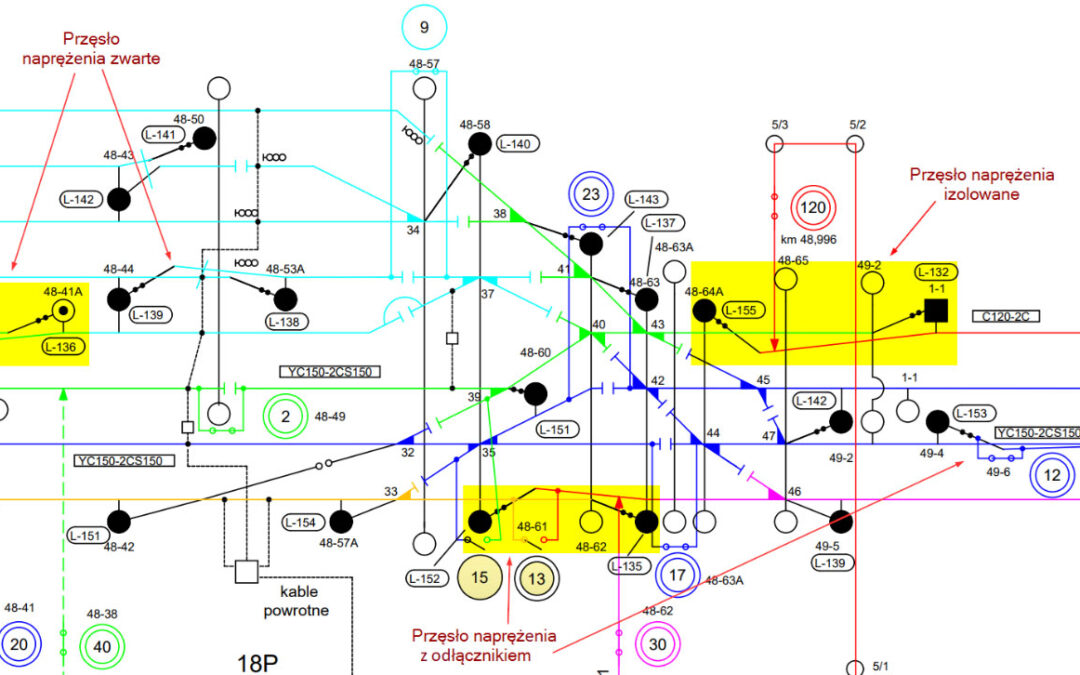
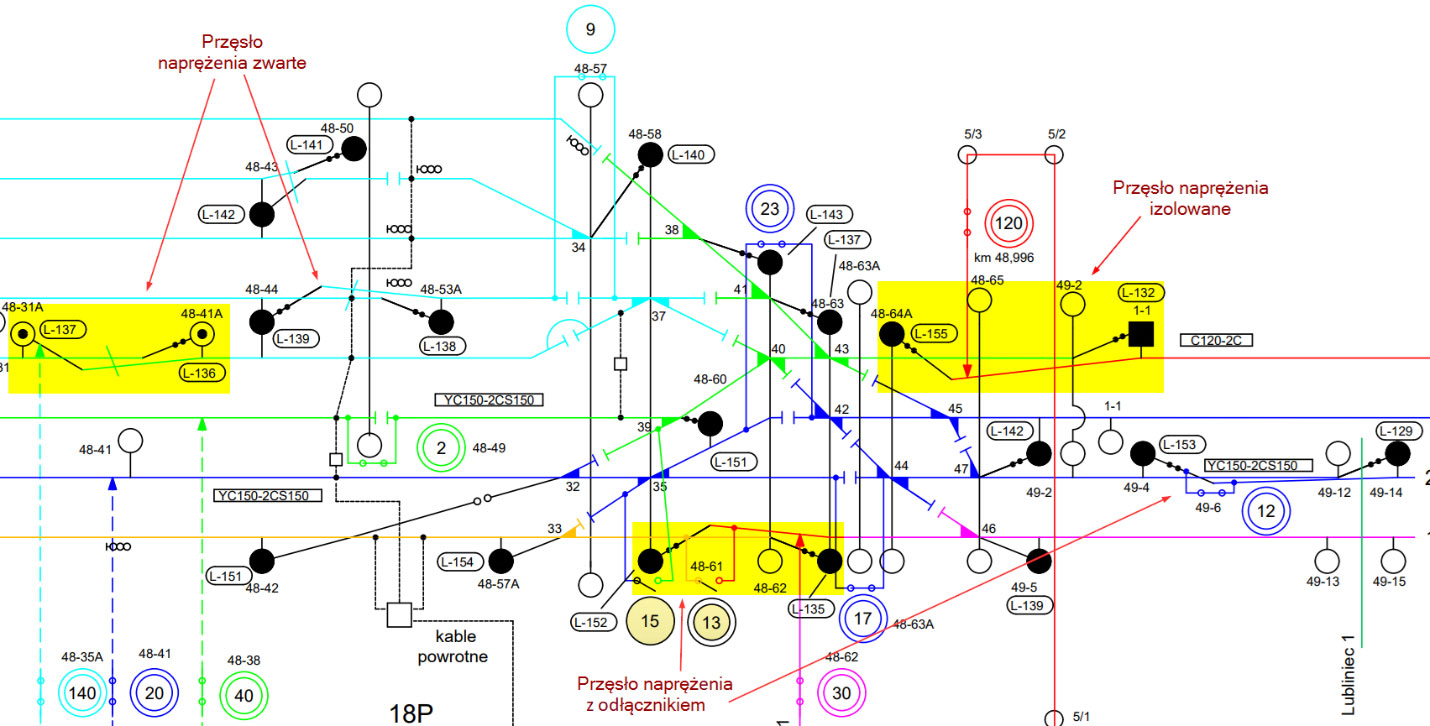
The purpose of this project was to build, in a GIS environment, a spatial database of the traction infrastructure components, based on a countrywide field inventory. Main functionalities of the EMTN cover: showcasing precise locations and relative positions of the assets, enabling visualization, editing and wide range of spatial analyses. As such, EMTN addresses several Client’s business needs:

  • Capability for direct assessment of the technical condition of traction network assets,
  • Support for managing processes at the interface between the distribution and traction networks through the availability of data for both networks within a single system,
  • Support for traction network maintenance through access to the locations of traction network sections and assets, against the background of the distribution network and the full set of reference data and map layers,
  • Support for traction network maintenance through system access to an object-based map of the traction network with spatially linked networks schemes and photographic documentation,
  • Up-to-date sectionalizing diagrams available in electronic format,
  • Increased automation of field crew planning, outage scheduling, and failure handling, with respect to specific traction network sections, disconnectors, and shared infrastructure,
  • Map-based visualization of notifications regarding planned works and scheduled outages for specific traction network elements,
  • Spatial presentation of failure statistics for traction network assets.

Implementation of the EMTN assumes developing the traction component of the GIRD.Networks (formely GRIDonLine) GIS system, consisting of a set of web applications: Mapper, Manager, Admin and Terrain. It also requires GIS integration with SCADA and DMS systems.

As part of the project, the network inventory of traction assets have been planned, along with the implementation and delivery of functionality for exporting traction network data to CAD format. The latter was aimed to support the maintenance of traction network sectionalizing diagrams.

Outcome & Impact

Due to the Client’s ownership restructuring, the project advanced to the stage of collecting hectometrage data for the entire railway traction network in Poland, as well as developing a pilot dataset comprising complete traction network information for a selected area. The design of the Electronic Map of the Railway Traction Network, together with the ‘Traction’ module of GRIDonLine (now GRID.Networks)—a solution built around probably one of the most sophisticated web applications in Poland—represents significant potential, pending the Client’s readiness to resume and finalize the project.

See some things

we’ve worked on

Developing GIS system for the Central Communication Port (Centralny Port Komunikacyjny)

Developing GIS system for the Central Communication Port (Centralny Port Komunikacyjny)

Home 9 Project Category: Data Management

Case studies

Developing GIS system for the Central Communication Port (Centralny Port Komunikacyjny)

Client

Industry

Transportation
Consumer Applications

Region

Europe / Poland

Technology

ArcGIS Pro
Data Interoperability
Python
CAD
FME Server

Overview

Client: Client: Centralny Port Komunikacyjny S.A.

GISonLine was proud to deliver an ambitious GIS project for the Central Communication Port (Centralny Port Komunikacyjny, CPK) — a groundbreaking investment in the Polish airport industry, and the largest of its kind in decades, currently under construction between Łódź and Warsaw. Scheduled to open around 2032, CPK is set to become the largest transportation hub in Central and Eastern Europe, combining a major airport with a high-speed railway hub, seamlessly integrated with the national motorway network. The port is expected to handle 34 million passengers annually.

An investment of this scale and significance requires advanced GIS support from the earliest stages of planning.

Our project focused on enhancing and automating the process of spatial data acquisition, through CAD and GML to GIS migrations, as well as the unification and validation of data received from various sources and databases. The overarching goal was to create a coherent spatial information database for the future CPK construction site and surrounding areas, covering both inventory and project data (such as planned railway axes). Special attention was given to empowering the Client with the necessary competences to continue working with the implemented solutions.

Outcome & Impact

Main tasks covered within our project included:

  • CAD-to-GIS migration of projected railway axis schemes, with data processing elements applied where necessary. This task involved topology control and improvement (when required), as well as the completion of attribute data in the GIS system based on annotations present in the CAD files.
  • GML geodetic data migration to GIS, carried out according to a defined final data schema. The geodetic datasets originated from two different GML structures and therefore required respective adjustments.
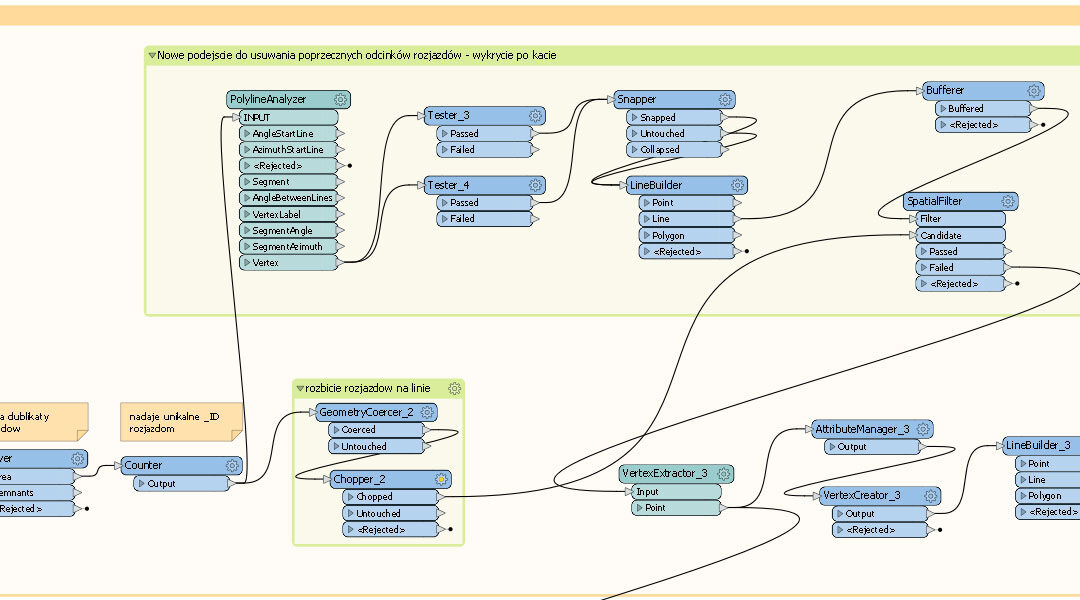
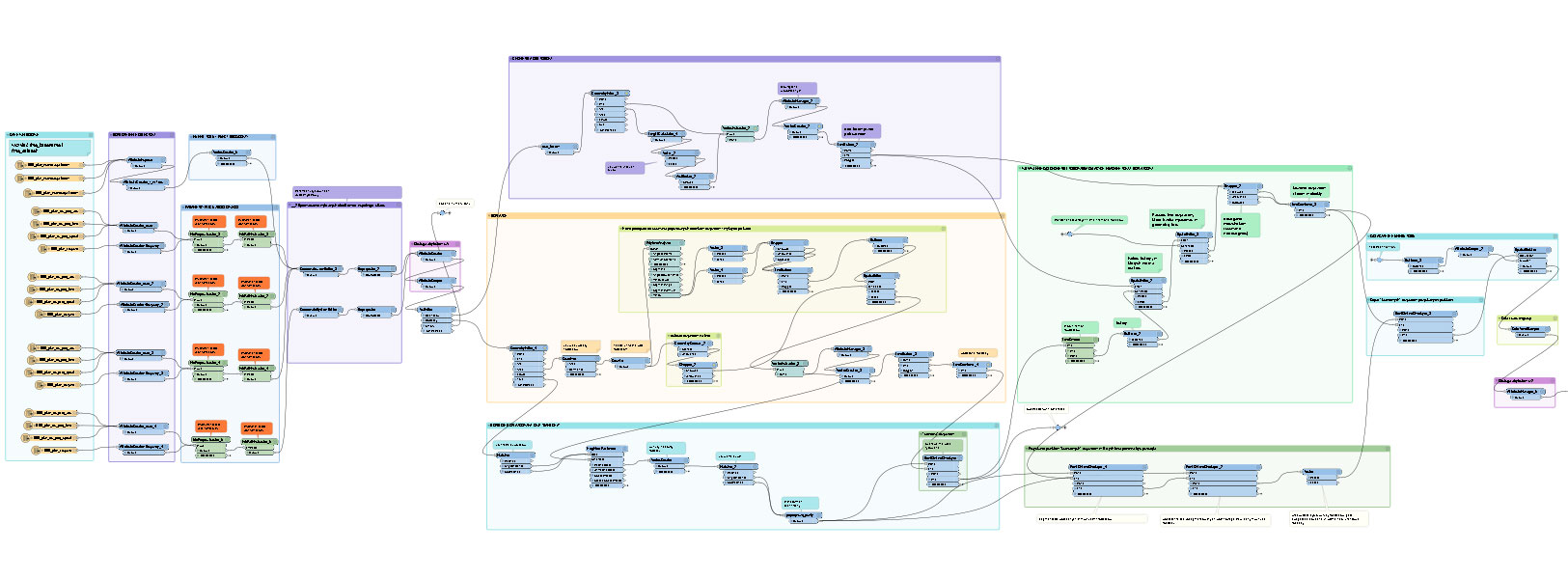
  • Development of an automated FME Server-based procedure for data acquisition from the national cadastral register via WFS (Web Feature Service), covering as many as 54 poviats (counties). The main challenges included the substantial volume of data to be processed and the variety of data structures depending on the poviat, necessitating data unification.
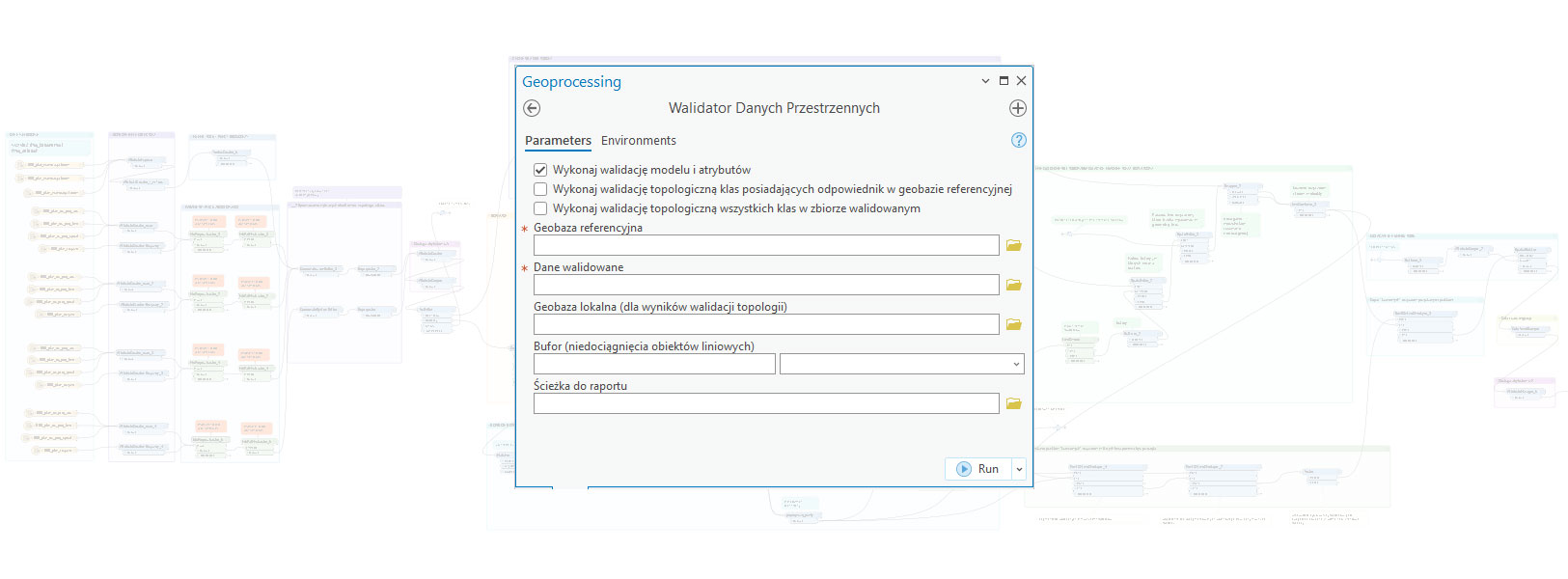
  • Creation of the Spatial Data Validator – a specialized tool tailored to the Clients needs for the automated validation of data received from various sources and across different thematic areas. The validation algorithm, written in Python, enabled the Client to designate any file geodatabase as the reference (final) database. (tu brakuje tekstu) The Spatial Data Validator could read this metadata and validate incoming datasets accordingly. The validation criteria were flexible and easily adaptable to a range of thematic domains necessary for investment planning, such as geology, hydrology, and others.

    The Client was provided with access to topological and attribute analysis through an intuitive graphical interface, offering the option to generate reports either as .xlsx files (listing errors and missing data) or as geometric layers with marked topological errors.

See some things

we’ve worked on

Developing GIS System for District Heating in Krakow, Poland

Developing GIS System for District Heating in Krakow, Poland

Home 9 Project Category: Data Management

Case studies

Developing GIS System for District Heating in Krakow, Poland

Client

Industry

Energy & Utilities

Region

Kraków – Polska / Europa

Technology

ArcGIS Web AppBuilder, JavaScript, HTML, CSS, Esri ArcGIS Enterprise, Portal for ArcGIS, Postgre SQL, FME, GE SmallWorld, .Net Core, Python

Overview

Client: Miejskie Przedsiębiorstwo Energetyki Cieplnej w Krakowie

District heating is one of the most economically and environmentally efficient methods of heat and hot water distribution in urban areas. It helps to reduce air pollution and the risk of carbon monoxide poisoning. We are pleased that our home city – Kraków – is among the national leaders in the field of district heating expansion and modernization, and we are proud to contribute to this progress by providing GIS solutions and services to MPEC S.A. for several years.

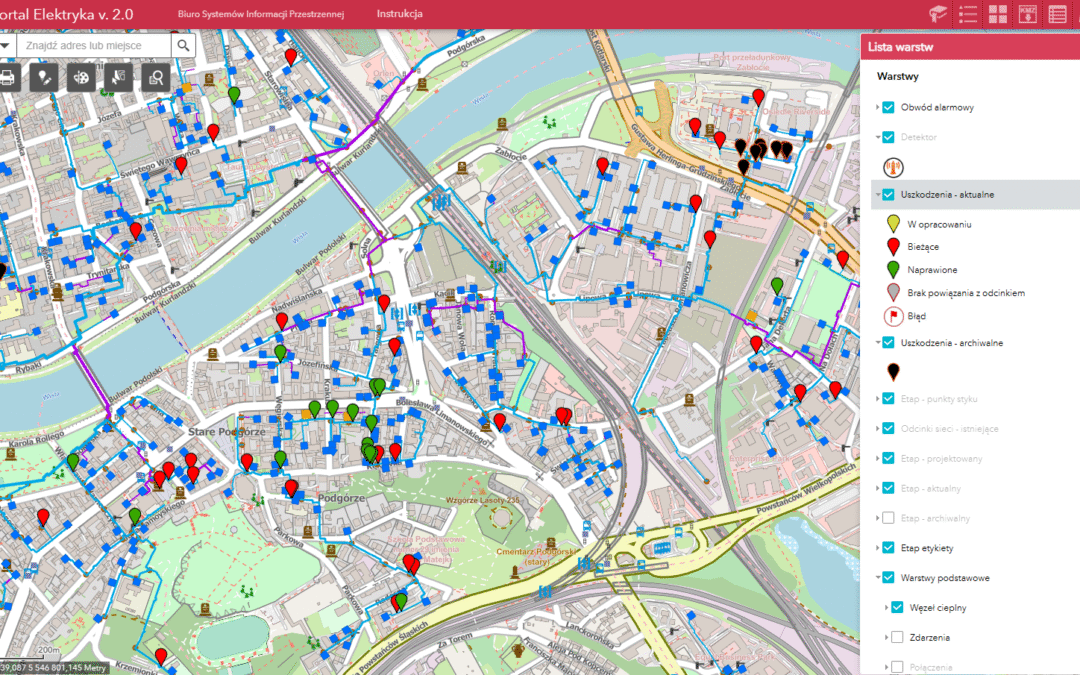
MPEC S.A. in Kraków has been systematically expanding its geoinformation system, and through that continuously improving the quality and efficiency of its network management. Following the implementation of a GIS system based on ESRI solutions – a project entrusted to our company several years ago – and our subsequent upgrades, version enhancements, development of a network management dashboard, and ongoing maintenance services, we have now undertaken the expansion of the Electrical Portal.

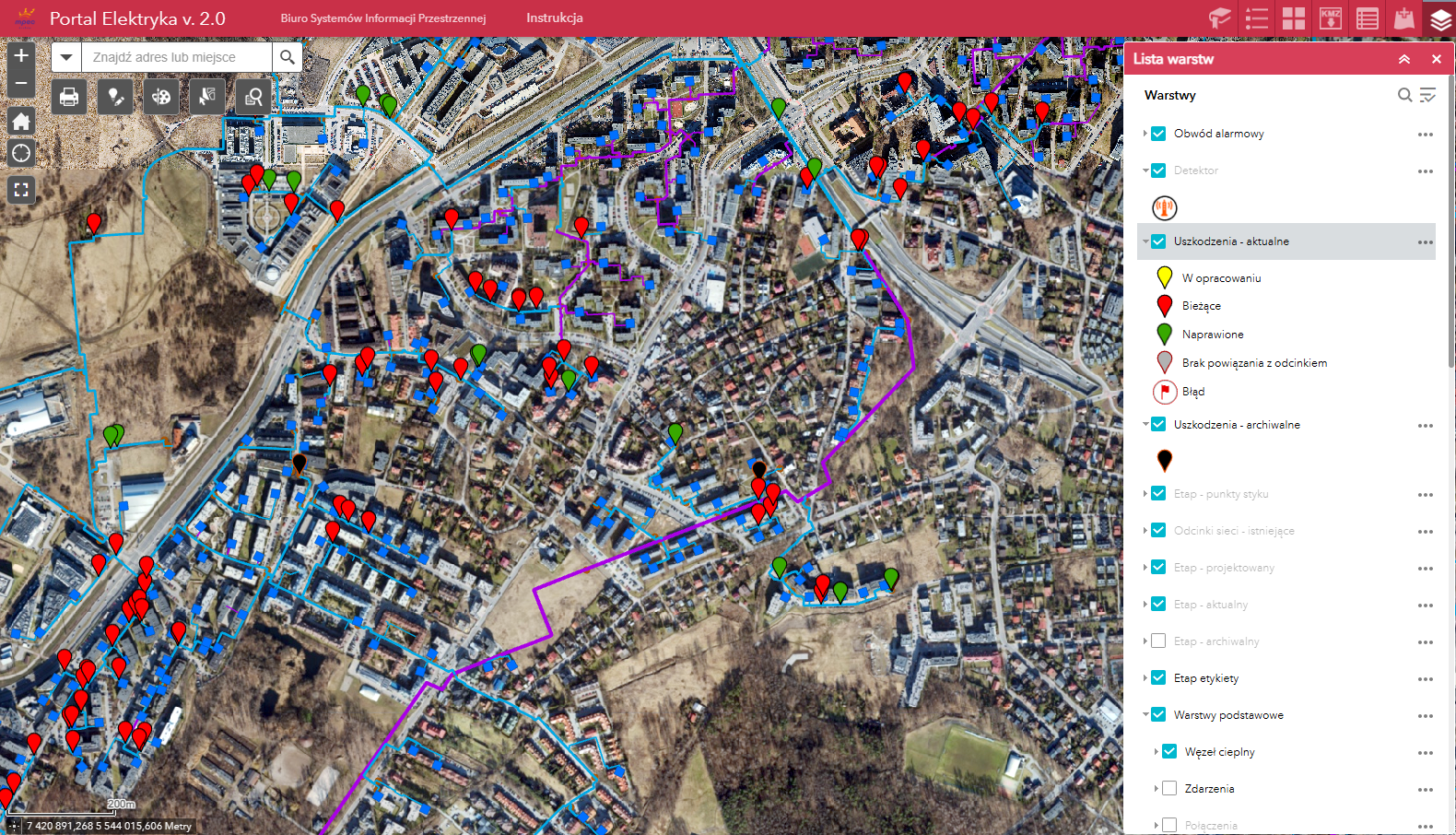
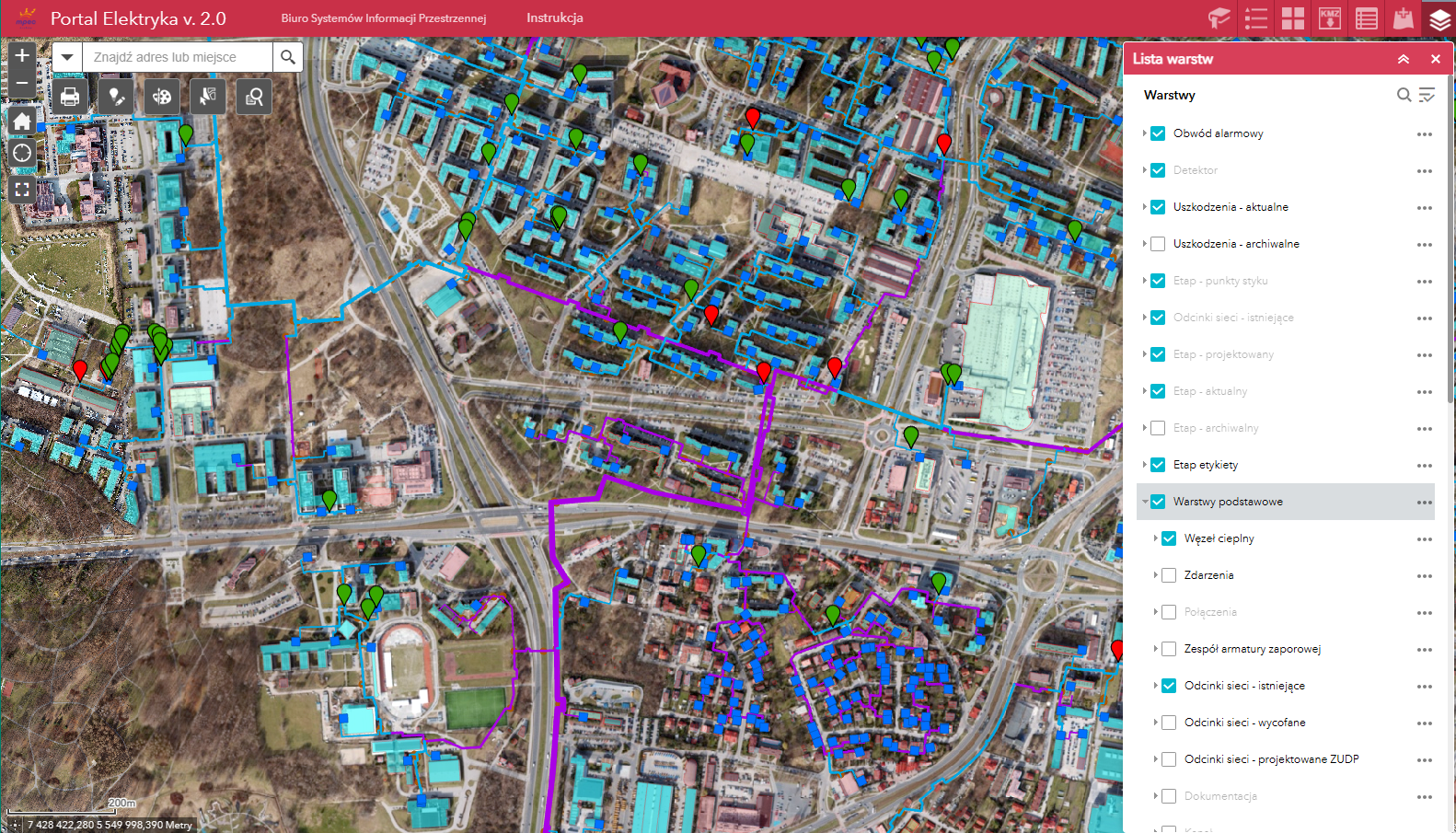
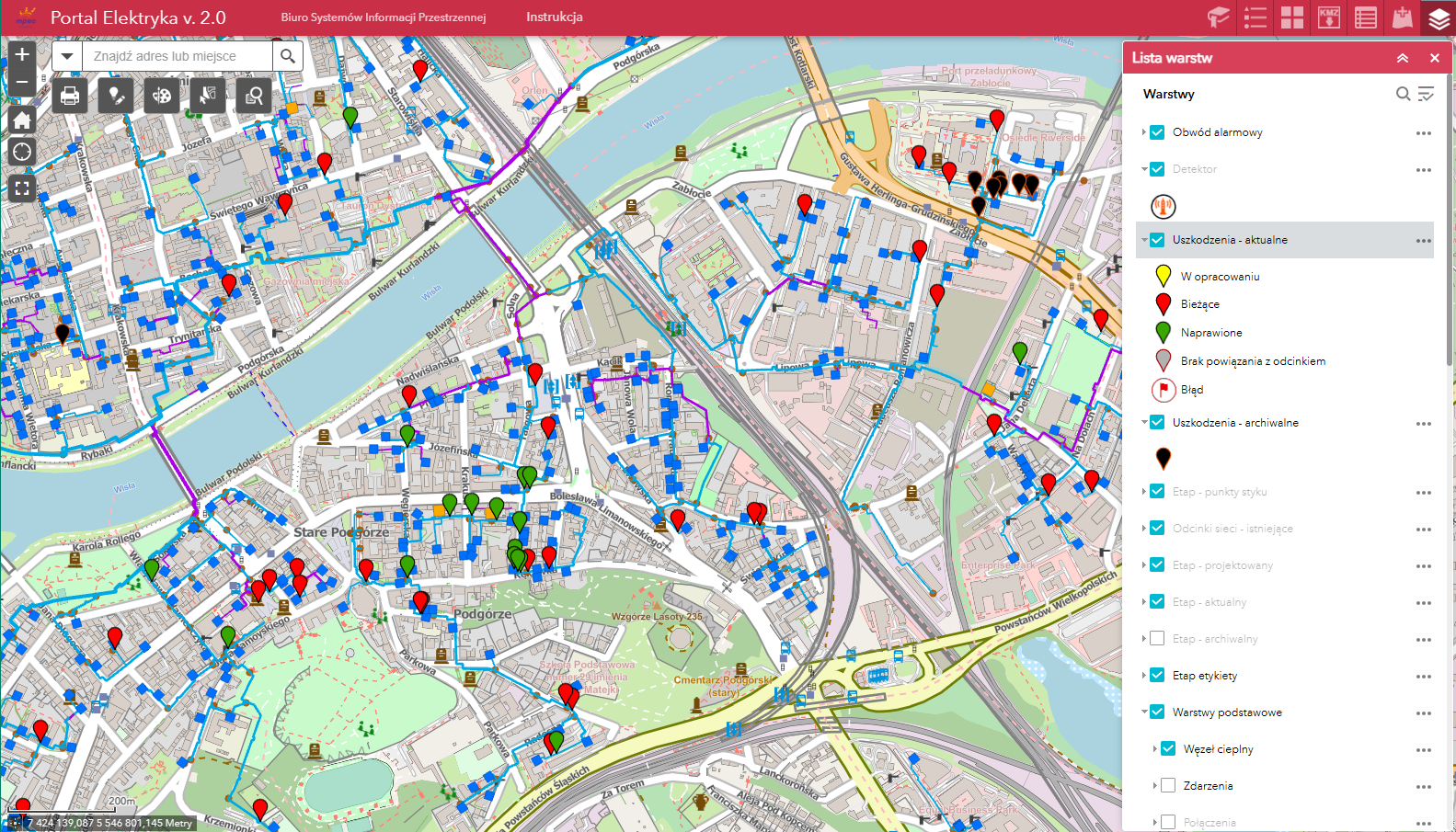
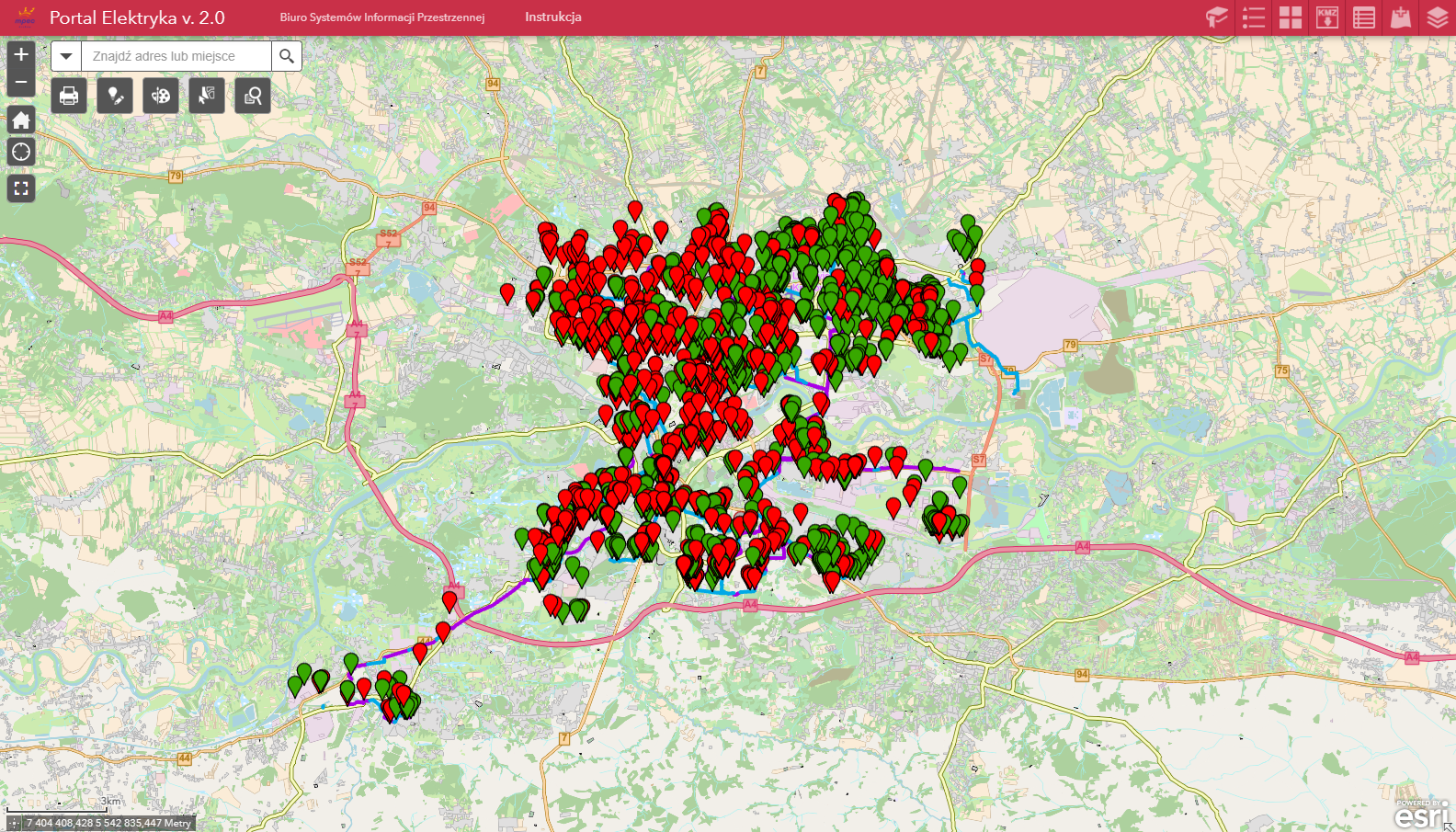
The Electrical Portal evolved from the concept of an application originally titled “Failures in Pre-insulated Networks“. It is dedicated to MPEC specialists responsible for monitoring the condition of pre-insulated pipes, based on a network of electronic sensors used to detect leaks.

As of 2025, the district heating network in Kraków extends nearly 1,000 km, with approximately 70% consisting of modern pre-insulated pipelines. Since pre-insulated pipes are a more efficient method of heat transfer compared to traditional solutions, both their share and total length are expected to continue increasing. Consequently, rapid response to potential failures and malfunctions is a task of critical—and steadily growing—importance.

Outcome & Impact

The Electrical Portal 2.0 has been enhanced with the ability to create and edit new object classes: Alarm Circuit, Detector, and Stage. These classes were designed along with the relationships linking them to each other and to the object classes already present in the previous version of the Electrical Portal.

As a result, the application is now better tailored to the needs of its dedicated user group, enabling, for example, the association of detectors with alarm circuits, the assignment of stage attributes to cable sections, and linking the Stage layer to records from the Stage Document table, with inheritance of specific attributes. The Electrical Portal 2.0 project also introduced data quality control procedures.

All these modifications were developed based on the Client’s experience with the previous version of the portal, and further refined through workshop sessions and ongoing collaboration between the Client and our team.

See some things

we’ve worked on

Providing Field Crews with Mobile Mapping For High Voltage Power Transmission Asset Inventory (PSE)

Providing Field Crews with Mobile Mapping For High Voltage Power Transmission Asset Inventory (PSE)

Home 9 Project Category: Data Management
Case studies

Providing Field Crews with Mobile Mapping For High Voltage Power Transmission Asset Inventory (PSE)

Client

Industry

Energy & Utilities

Region

Europe

Technology

ESRI – ArcGIS Server
ESRI ArcGIS Online
Android
Windows Mobile

Overview

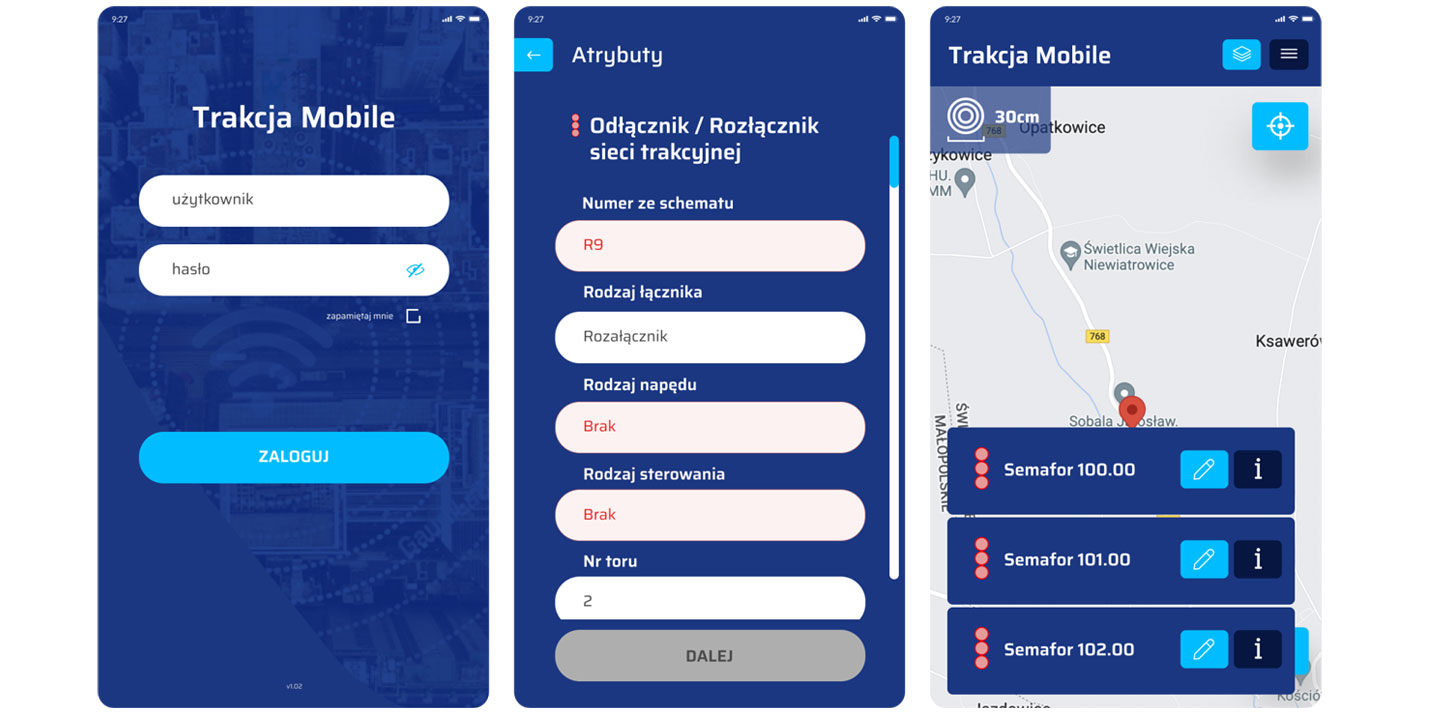
GISonLine was engaged in a project to perform a large-scale asset inventory for energy provider (Polskie Sieci Energetyczne – PSE).  The project included capturing and analyzing high voltage power transmission network assets and infrastructure.  A primary goal of the project was to establish a geospatial zmobile application that allowed PSE field crews to have specific mapping capabilities in support of data collections and asset inventory.

The Impact

As part of the project initiatives, GISonLine combined utility network spatial datasets with existing land ownership database records, which then directly supported utility network planning and analysis.  GISonLine provided PSE field crews with a custom mobile geospatial application designed specifically for the collection and inventory of utility assets.

The outcome

PSE field crews are now able to support business operations using asset inventory and location analysis capabilities that aid in decision making processes such as: asset location risks, site planning, and environmental impacts.

GISonLine provided PSE with mobile mapping capabilities to perform site planning and spatial analysis / visualization of high voltage transmission assets and allowing for spatial analysis of assets in relation to physical surroundings (ex: buildings, roads, housing, water bodies).

See some things

we’ve worked on

Contact us

Looking for Location Intelligence?

9 + 9 =